
March Visitor & Travel Guide to Eastwood
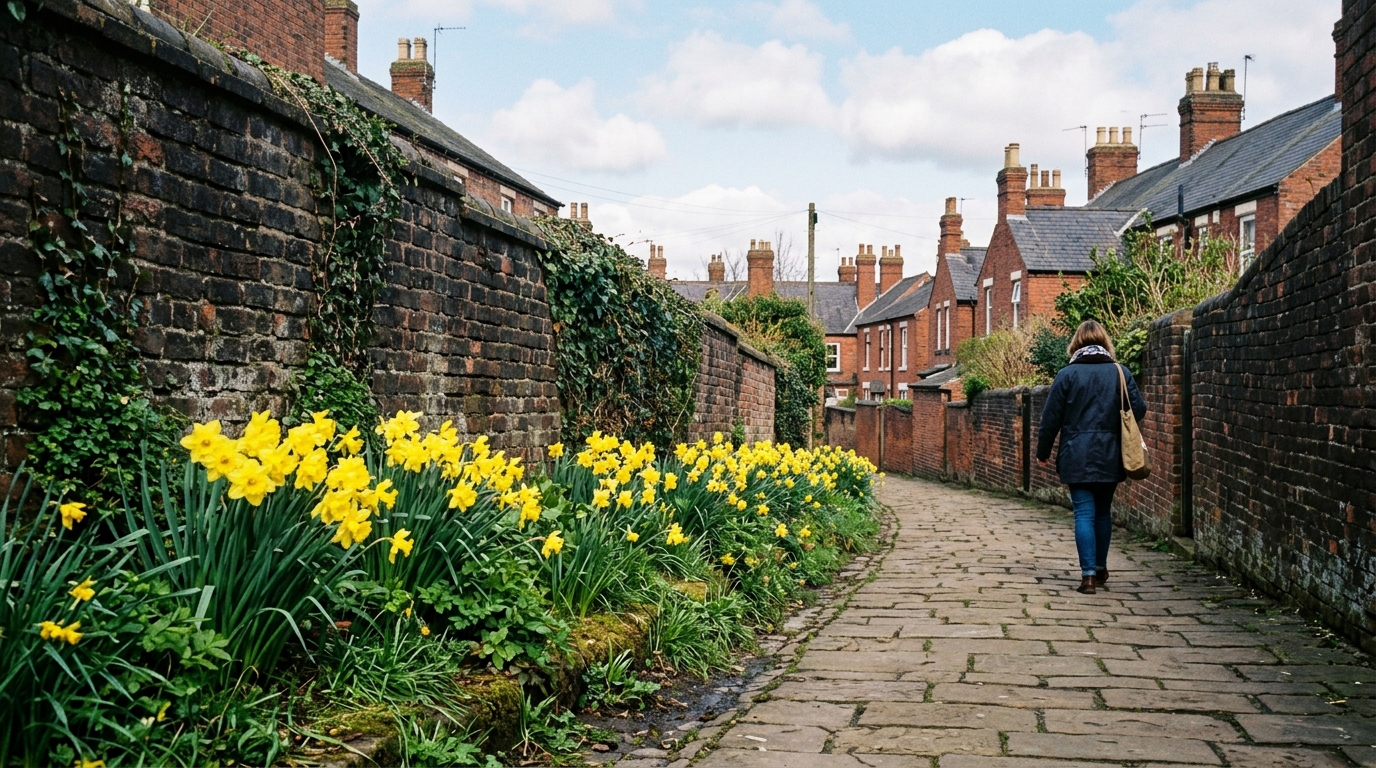
Nestled in the rolling hills of the Nottinghamshire and Derbyshire border, Eastwood is an evocative market town steeped in literary prestige and industrial grit. Best known as the birthplace of novelist and poet D.H. Lawrence, Eastwood offers visitors an authentic slice of East Midlands heritage.
Visiting in March captures the town in a period of renewal. As winter frosts begin to recede, the local countryside—famously immortalised by Lawrence as the 'country of my heart'—bursts into early spring life with blooming daffodils, emerging birdsong, and crisp, invigorating walking conditions.
---
Why Visit Eastwood in March?
March is an ideal month for a tranquil, culturally rich getaway. Before the busier summer tourist season begins, visitors can take advantage of unhurried museum tours, peaceful woodland trails, and a genuinely relaxed local atmosphere.
- Crowd-free cultural visits: Enjoy quiet, contemplative tours of historic sites and literary museums without the summer rush.
- Early spring landscapes: Witness yellow daffodils and primroses blooming around local heritage parks and historic colliery paths.
- Crisp walking weather: Cool, clear March days provide perfect conditions for walking the urban trails and country routes without overheating.
- Cosy pub retreats: Warming fires and local ales remain welcoming after a brisk March stroll.
---
March Weather in Eastwood: What to Expect
March marks the turn from winter to spring in Nottinghamshire, bringing a blend of chilly mornings and bright, sunlit afternoons.
- Average daytime temperature: 9°C to 11°C
- Average night-time temperature: 2°C to 4°C
- Rainfall: Historically one of the drier months in the region (averaging around 45–50 mm), though sudden spring showers are common.
- Daylight: Daylight hours stretch considerably throughout the month, particularly following the transition to British Summer Time (BST) in late March.
---
Top Seasonal Spots & Literary Attractions
1. D.H. Lawrence Birthplace Museum
Situated at 8a Victoria Street, this Grade II listed Victorian miner’s cottage is where David Herbert Lawrence was born in 1885. Meticulously restored to reflect working-class life of the late 19th century, the museum showcases period furnishings, family artefacts, and original watercolours by Lawrence himself.- March Highlight: The intimate gaslit parlours and traditional kitchen hearth feel delightfully cosy during brisk March mornings.
- Practical Tip: Guided tours are available and often require advance booking, especially for weekend slots.
2. The Blue Line Trail & The Breach House
Trace the formative footsteps of the author by following the famous Blue Line Trail, a painted urban heritage path traversing the town centre. The Breach House (28 Garden Road): Lawrence's childhood home from 1887 to 1891 served as the setting for 'The Bottoms' in Sons and Lovers*.- Walker Street Views: Pause along Walker Street to admire panoramic vistas looking out across the Erewash Valley towards Moorgreen—the very landscape Lawrence cherished.
3. Brinsley Headstocks & Nature Reserve
Located just a mile outside the town centre, the Brinsley Headstocks site preserves the twin wooden winding headstocks of the former colliery where Lawrence’s father worked. Today, nature has reclaimed the industrial spoil heaps, creating a haven for local wildlife.- March Sights: Spot nesting birds among the gorse bushes, early woodland blossoms, and enjoy scenic cycling and walking routes along the dismantled railway lines.
4. Moorgreen Reservoir & Beauvale Priory
A short excursion into the nearby countryside brings you to Moorgreen Reservoir (known as 'Nethermere' in Lawrence’s works). Ringed by tall woodlands, it provides an idyllic, sheltered circuit for birdwatching and photography. Nearby stand the atmospheric ruins of 14th-century Beauvale Priory, complete with a quaint tearoom offering hearty soups and fresh scones to warm up after a brisk walk.---
Local Flavours, Markets, and Tearooms
Eastwood's bustling Nottingham Road features a charming array of independent greengrocers, family butchers, vintage shops, and traditional cafes.
- Eastwood & Nearby Community Stalls: Browse local craft pop-ups, bake sales, and regional produce markets across Broxtowe. Fresh spring flowers, locally baked pastries, and seasonal game pies are highlights of late-winter trading.
- The Sun Inn: An essential stop for history enthusiasts. Dating from the mid-18th century, this coaching inn was the birthplace of the Midland Railway in 1832 and was featured by Lawrence as 'The Moon and Stars'. Settle into a booth for hearty pub fare and regional cask ales.
- Independent Afternoon Tea: Pop into the characterful independent tea shops dotted along Nottingham Road for loose-leaf tea, crumpets, and freshly baked Derbyshire oatcakes.
---
Actionable Visitor Tips for March
Getting There via Public Transport: Trentbarton's frequent Rainbow One* bus connects Nottingham city centre to Eastwood in roughly 35 minutes, dropping passengers right along the high street.- Footwear Essentials: March ground conditions can be soft and muddy around Moorgreen and Brinsley. Always choose waterproof walking shoes or wellies for rural detours.
- Plan Around Opening Hours: Winter and early spring hours may still apply at smaller heritage venues. Double-check opening times (many local heritage venues open Thursday through Saturday) before setting off.
- Combine Your Day Out: Eastwood pairs perfectly with a visit to the nearby Bennerley Viaduct—the remarkable Victorian wrought-iron bridge known as the 'Iron Giant', located just four miles south along the Erewash Canal.