
January Visitor & Travel Guide to Southminster
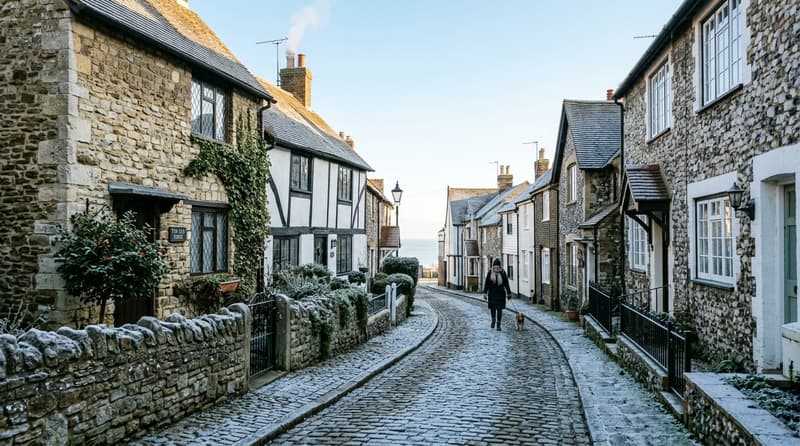
Nestled in the agricultural heartlands of the Dengie Peninsula in eastern Essex, Southminster is a historic market settlement that offers an unhurried, atmospheric winter escape. While coastal resorts quieten down after the festive period, Southminster in January possesses a rugged, quiet charm—defined by vast estuarine skies, frosty public footpaths, and warm inglenook hearths.
Whether you arrive via the scenic Crouch Valley railway line or by car across the ancient saltmarshes, this guide covers everything you need to plan a restorative January day out or weekend break.
---
January Weather on the Dengie Peninsula
Essex is among the driest counties in the United Kingdom, and the Dengie Peninsula benefits from lower average rainfall than much of the country. However, its low-lying, estuarine setting means January visitors must dress for the elements:
- Average daytime temperatures: 6°C to 8°C, often dropping near freezing (0°C to 2°C) overnight.
- Wind chill: Sea breezes rolling in from the North Sea and the Blackwater Estuary can make the air feel distinctly colder than the thermometer indicates.
- Atmospheric conditions: Crisp, bright winter mornings with heavy hoar frost are common, accompanied by picturesque mists rising over agricultural drainage dykes.
---
Bracing Winter Walks & Big Sky Landscapes
January is prime season for rural rambling. Without the summer foliage, the peninsula’s dramatic open vistas and historic field patterns take centre stage.
- The St Peter's Way Trailhead: Southminster lies close to the route of St Peter's Way, an ancient long-distance footpath that cuts across the Dengie Peninsula toward the 7th-century Saxon chapel at Bradwell-on-Sea. Starting from the village edge, a winter walk toward Asheldham or Tillingham offers wide horizons and uninterrupted views of winter farmland.
- Southminster to Burnham-on-Crouch Linear Ramble: A popular four-mile trail heads south toward the yachting town of Burnham-on-Crouch. The gentle route takes in rolling arable fields before reaching the River Crouch. From Burnham, you can hop back on the train to Southminster railway station.
- Pandole Wood: Located on the outskirts of the village, this ancient woodland contains ancient earthworks thought to date back to the Iron Age. A morning circuit here is serene, with bare canopy branches framing the low winter sun.
---
Historic Discoveries: St Leonard’s Church
Southminster’s focal point is St Leonard's Church, an impressive 15th-century cruciform structure crafted from flint rubble and stone. It is widely believed that this grand parish church gave Southminster its name (signifying the "south minster" in relation to St Peter’s or Colchester).
Step inside out of the winter chill to discover centuries of naval and ecclesiastical heritage. The church was historically served by the Reverend Alexander John Scott, personal chaplain to Admiral Lord Nelson. Scott famously held Nelson in his arms as the commander died aboard HMS Victory during the Battle of Trafalgar in 1805. Artifacts and plaques commemorating this historic link can be viewed inside.
---
Cosy Real Ales & Fireside Hospitality
After a brisk walk across frosty fields, nothing beats ducking into a traditional Essex pub. Southminster has long retained a strong community pub culture and ties to regional brewing:
The Station Arms: Celebrated repeatedly in CAMRA’s Good Beer Guide*, this charming, weatherboarded free house near the station is a pilgrimage site for ale enthusiasts. With railway memorabilia adorning the walls and an ever-changing chalkboard of guest bitters, stouts, and ciders, it is the ideal spot to unwind. Note that it specialises primarily in drinks rather than full meals, making it a classic drinker's haven.- The King’s Head & Local Village Taverns: Positioned centrally on the High Street, local village pubs offer hearty plates of comforting winter fare, from Sunday roasts with Yorkshire puddings to piping hot fish and chips.
- Local Produce & Provisions: Stop by the village butcher, bakeries, and nearby farm shops across the Dengie to pick up regional honey, sausages, and sourdough bread for a winter picnic hamper.
---
Winter Wildlife on the Marshes
January is one of the most rewarding times of year for birdwatching around Southminster. Thousands of migratory birds settle along the nearby saltmarshes of the Dengie National Nature Reserve and the Blackwater Estuary.
Just a short drive or cycle from Southminster's centre brings you to the sea wall at Bradwell Cockle Spit or Lion Creek. Bring a pair of binoculars to spot:
- Large flocks of dark-bellied Brent geese feeding on eelgrass and coastal marshes.
- Waders including dunlins, redshanks, and avocets feeding on the estuarine mudflats.
- Wintering birds of prey, such as marsh harriers, short-eared owls, and peregrine falcons hunting across the reedbeds.
---
Practical Tips for Your January Visit
- Travel by Train: Southminster is the eastern terminus of the Crouch Valley Line, offering direct hourly services to and from London Liverpool Street and Wickford via Greater Anglia. It is one of the easiest rural Essex villages to access without a car.
- Daylight Hours: Sunset in early-to-mid January occurs between 16:00 and 16:30. Start trail walks before midday to take full advantage of daylight.
- Attraction Schedules: Seasonal attractions such as the nearby Mangapps Railway Museum operate on restricted winter timetables, so always check direct booking calendars in advance.
- Footwear Preparation: Essex clay soil along public footpaths can be notoriously sticky and waterlogged in mid-winter; gaiters and dedicated walking boots will make your excursions considerably more comfortable.