
whats on
Bow Heritage Trail: Walk Through East London's Radical History
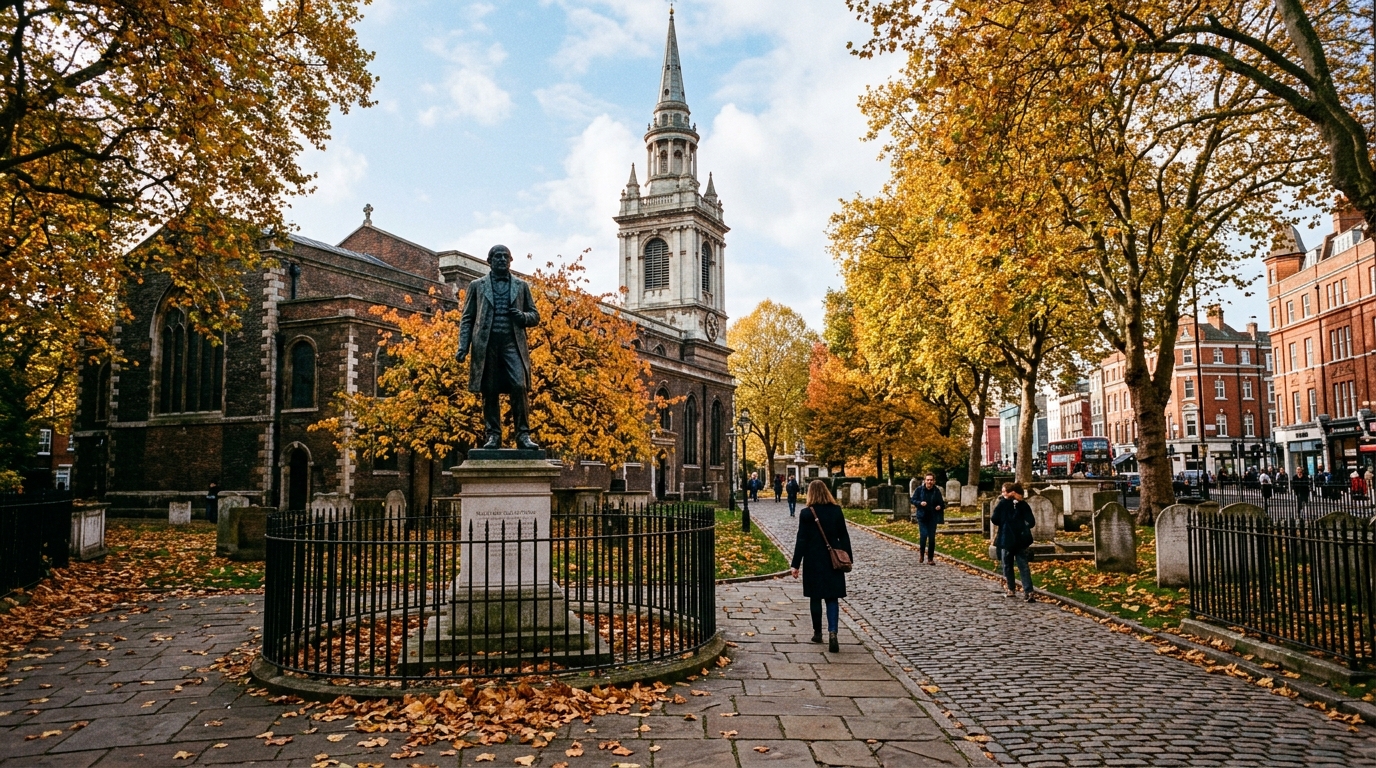
Nestled in the heart of the East End within the London Borough of Tower Hamlets, Bow is a neighbourhood steeped in social revolution, working-class resilience, and architectural surprises. Long before it became a vibrant creative hub neighbouring the Queen Elizabeth Olympic Park, Bow served as the crucible for some of Britain's most pivotal social justice movements.
The Bow Heritage Trail is an immersive, self-guided walking route designed for urban explorers, history buffs, and curious flâneurs alike. Winding along historic high streets, atmospheric industrial conversions, and handsome Georgian squares, this trail brings to life the remarkable men and women who shaped modern British democracy.
---
Route Summary & Practical Information
- Starting Point: Bow Church DLR or Bow Road Underground Station (District and Hammersmith & City lines)
- Finish Point: Roman Road Market / Victoria Park edge (easy stroll to Mile End or Bow Road tube stations)
- Distance: Approximately 4.5 kilometres (2.8 miles)
- Walking Time: 1.5 to 2.5 hours at a leisurely pace, allowing time for photo stops and plaques
- Terrain: Flat pavements, public pedestrianised zones, and community footpaths; fully accessible for prams and wheelchairs
---
Highlights Along the Bow Heritage Trail
1. Bow Church (St Mary and the Holy Trinity)
Sitting in the middle of an island on Bow Road, this ancient parish church has watched over East London since the early 14th century. Surrounded by a peaceful churchyard, St Mary’s survived the Blitz despite sustained bombardment. Directly outside the church stands the controversial statue of William Ewart Gladstone. Look closely at the former Prime Minister's hands: match factory workers famously splashed them with red paint in 1882 to protest the dangerous use of white phosphorus and poor wages, a tradition of protest that community activists have periodically revived over the decades.2. The Bow Quarter (Former Bryant & May Match Factory)
Head east along Fairfield Road to the striking gated complex known today as the Bow Quarter. In July 1888, this Victorian industrial complex was the site of the historic Matchgirls' Strike. Around 1,400 women and teenage girls downed tools to protest low wages, fourteen-hour shifts, and catastrophic working conditions that caused 'phossy jaw' (phosphorus necrosis). Led by figures such as Sarah Chapman and supported by social reformer Annie Besant, their strike achieved total victory in less than three weeks, catalysing the modern British trade union movement.3. Sylvia Pankhurst and the Suffragette Legacy
Turning off Bow Road toward the historic terrace streets, you tread in the footsteps of Sylvia Pankhurst. Unlike the militant, bourgeois leadership of the central Suffragette movement, Pankhurst established the East London Federation of Suffragettes (ELFS) in Bow. Head towards 400 Old Ford Road and 45 Norman Grove, where Pankhurst set up cost-price nurseries, restaurants, and a toy-making cooperative to support impoverished local mothers while fighting tirelessly for universal adult suffrage.4. Tredegar Square: East End Georgian Grandeur
A dramatic contrast to the area's industrial legacy, Tredegar Square reveals Bow's affluent 1830s past. Developed as an enclave for the wealthy mercantile class, the square features grand stucco facades, leafy private gardens, and neoclassical symmetry. Take a quiet loop around the railings to appreciate an architectural gem that survived both wartime bombs and post-war redevelopment.5. George Lansbury and the Poplar Rates Rebellion
Near Bow Road, memorial sites commemorate George Lansbury, former Labour Party leader and beloved local mayor. In 1921, Lansbury led thirty Poplar councillors to prison for refusing to levy unjust London County Council rates on their poverty-stricken borough. Their defiance produced the term 'Poplarism' and laid the ethical foundations of the modern welfare state.6. Roman Road Market & Community Culture
Finish your walk along the legendary Roman Road—one of the oldest market corridors in London, tracing an ancient Roman highway connecting the City of Londinium with Colchester. Today, the bustling market remains a bastion of authentic East End warmth, packed with market stalls, independent pie-and-mash shops, and modern artisan bakeries.---
Tips for Walkers
- Timing Your Visit: Walk on a Tuesday, Thursday, or Saturday if you wish to catch Roman Road Market in full swing.
- Refreshments: Stop for traditional pie, mash, and liquor at G. Kelly on Roman Road, or drop into one of the historic local pubs such as the Morgan Arms or the Eleanor Arms for a craft ale.
- Green Spaces: Extend your walk northward into the open pastures of Victoria Park, just minutes from the trail's conclusion.