
Open House Festival 2026: London Unlocks Hundreds of Historic Sites and Hidden Architectural Gems
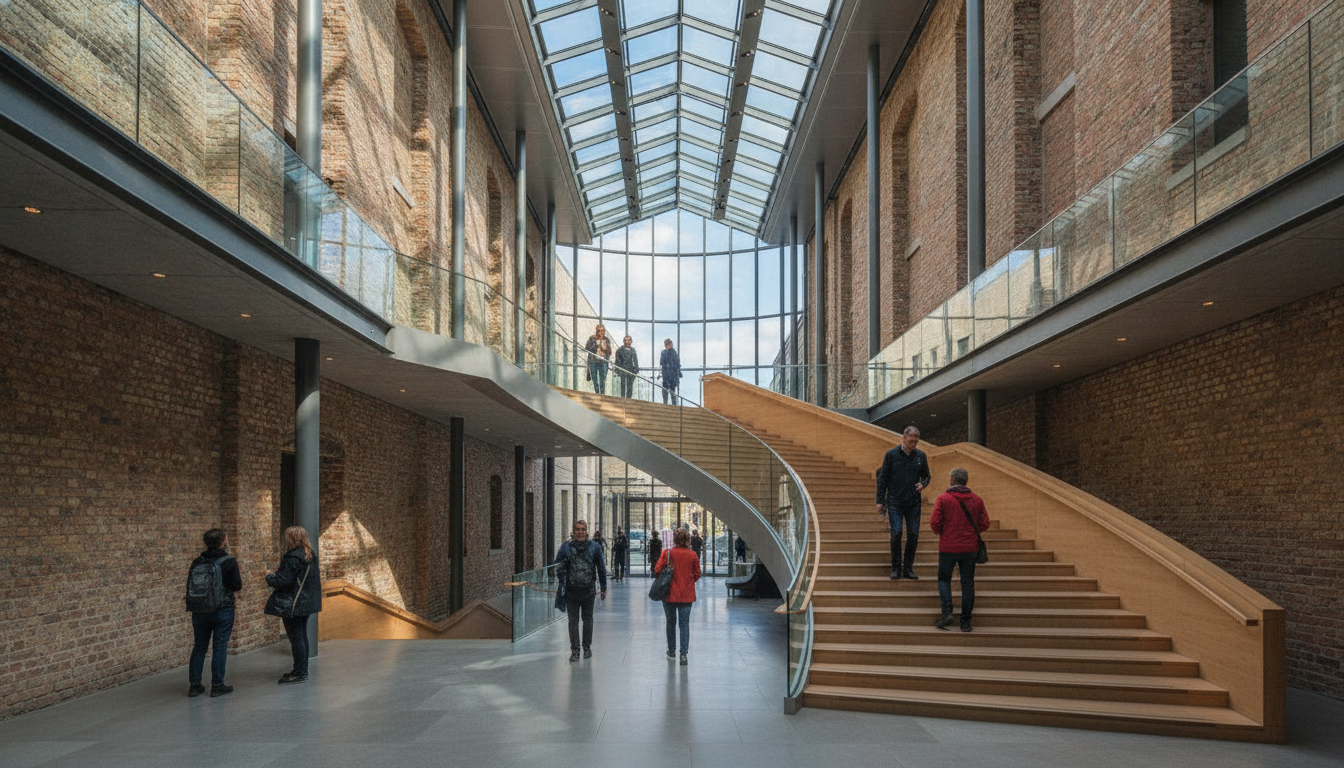
Every September, London pulls back the curtain on its most elusive spaces. The Open House Festival 2026 marks another extraordinary celebration of the capital’s built environment, granting the public free access to hundreds of private homes, landmark government buildings, hidden subterranean chambers, and pioneering contemporary developments across all 33 boroughs.
Organised by the charity Open City, this city-wide festival champions open dialogue about design, heritage, and the social fabric of London’s diverse neighbourhoods. Whether you are an architectural enthusiast or a curious local looking behind the facades of your own high street, the festival offers an unparalleled glimpse into London’s living history.
What Makes Open House Festival Special?
Unlike traditional heritage weekends, Open House does not just spotlight grand stately homes and royal palaces. Instead, it offers an eclectic mix of:
- Private Residential Marvels: From sustainable eco-homes and mews conversions to brutalist council estates and bespoke architect-designed residences.
- Civic & Commercial Icons: Exclusive access to renowned headquarters, historic guildhalls, law courts, and institutional bastions that are typically off-limits to everyday passersby.
- Repurposed Industrial Heritage: Victorian pumping stations, disused railway arches, restored warehouses, and working workshops.
- Places of Worship & Community Spaces: Historic crypts, modern temples, community gardens, and neighbourhood hubs rich with cultural narratives.
Highlights to Look Out For in 2026
While the full programme varies year-on-year, recurring festival crowd-pleasers and anticipated highlights for 2026 include:
- The Foreign, Commonwealth & Development Office (Whitehall): Grand Victorian state rooms and Durbar Court murals rarely opened without formal accreditation.
- Battersea Power Station's Control Rooms: A rare chance to marvel at restored Art Deco control equipment up close.
- City of London Livery Halls: Lavish interiors from the Apothecaries' Hall to the Fishmongers' Hall, showcasing centuries of trade history.
- Subterranean Marvels: Guided visits into forgotten wartime bunkers, tube extension works, and historic subterranean vaults.
- Innovative Borough Spotlights: Focus areas spotlighting suburban outer boroughs, demonstrating how design revitalises local communities from Croydon to Waltham Forest.
How to Plan Your Festival Experience
With hundreds of locations participating over a fortnight, planning ahead is essential to make the most of your journey:
- Ballots and Pre-booking: The festival operates primarily as a drop-in event, but high-demand properties (such as 10 Downing Street or BT Tower) require ballot entry months in advance. Keep an eye on Open City's official listings in late summer.
- Cluster Your Itinerary: Pick a specific neighbourhood each day—such as Bloomsbury, Bermondsey, or Hackney—and walk between open sites to avoid losing time on public transport.
- Engage with Volunteers and Architects: Many locations feature guided tours by the very architects, restorers, or homeowners responsible for the space. Take the opportunity to ask questions about materials, history, and community impact.
- Wear Comfortable Footwear: Many properties feature narrow spiral stairs, historic floorboards, or outdoor rooftop access requiring sturdy shoes.
Whether stepping into an experimental timber house in Lewisham or wandering the marbled corridors of central London's historic institutions, Open House Festival 2026 invites everyone to see the city with fresh eyes.