
March Visitor & Travel Guide to Wantage
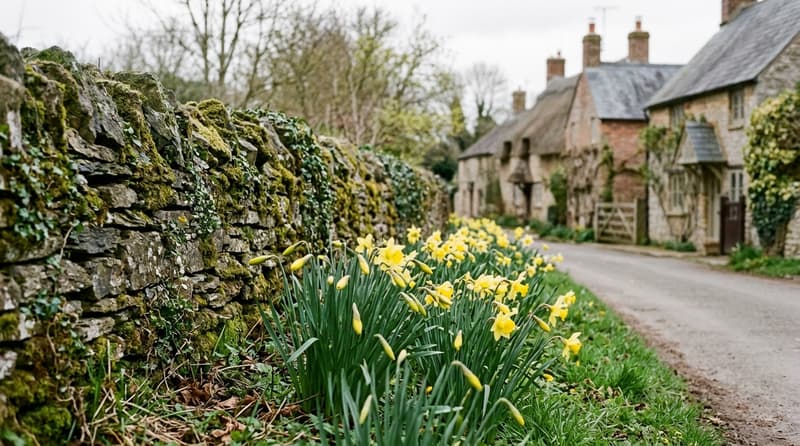
Visiting Wantage in March: A Complete Early Spring Guide
Nestled beneath the rolling chalk escarpment of the North Wessex Downs, Wantage is a quintessentially English market town steeped in Anglo-Saxon heritage. Best known as the birthplace of King Alfred the Great in AD 849, this attractive Oxfordshire haven seamlessly blends historical significance with vibrant community life.
Visiting Wantage in March offers the distinct charm of early spring. As golden daffodils carpet churchyards and hedgerows, the town shakes off the winter chill without the bustling crowds of midsummer. Whether you are walking ancient downland tracks, browsing characterful independent shops, or relaxing beside a crackling pub hearth, Wantage is an idyllic spring destination.
---
Wantage Weather in March: What to Expect
March marks the turning of the seasons in Oxfordshire. Days grow noticeably longer and brighter, though the British climate remains characteristically changeable.
- Average daytime highs: 10°C to 12°C
- Average overnight lows: 2°C to 4°C
- Sunshine: Around 4 to 5 hours of bright sunshine per day, interspersed with crisp, breezy intervals.
- Rainfall: Moderate, with occasional brief spring showers.
---
Top Attractions and Seasonal Highlights
1. Pay Homage to King Alfred in the Market Place
The focal point of the town is the historic Market Place, dominated by the magnificent, Grade II-listed statue of King Alfred the Great. Carved from Sicilian marble in 1877 by Count Gleichen (a cousin of Queen Victoria), the statue depicts Alfred resting on his battle-axe, clutching a parchment of laws. On a clear March morning, the surrounding 17th- and 18th-century architecture provides a striking backdrop for photography.2. Discover Local Heritage at the Vale & Downland Museum
Situated just off the square on Church Street, this award-winning museum is housed across several interconnected historic buildings, including a 16th-century timber-framed house. It offers interactive exhibitions chronicling the geological, industrial, and social history of the Vale of White Horse. It also features a charming garden café and craft gift shop, making it the perfect retreat should a sudden March shower blow in.3. Wander Through Betjeman Millennium Park
Former Poet Laureate Sir John Betjeman lived in Wantage from 1951 to 1972 and drew immense inspiration from the local landscape. Created in his honour, this tranquil woodland park along the Letcombe Brook features meandering paths, stream crossings, and large stone monoliths inscribed with Betjeman's poetry. In March, snowdrops, crocuses, and early wood anemones begin to bloom, creating a serene environment for an afternoon stroll.4. Hike the Ancient Ridgeway and White Horse Hill
Wantage serves as one of the premier gateways to The Ridgeway National Trail, often dubbed Britain's oldest road.- White Horse Hill & Uffington Castle: Just a 10-minute drive or scenic ramble west lies the world-famous Bronze Age Uffington White Horse, etched into the chalk downland.
- Segsbury Camp: A massive Iron Age hillfort perched directly above Wantage, providing panoramic vistas across the entire Vale, especially breathtaking under early spring sunlight.
---
Local Markets and Independent Shopping
A former winner of the Great British High Street Award, Wantage takes fierce pride in its independent retailers.
- Wantage Charter Market: Held every Wednesday and Saturday in the Market Place. You will find independent stalls offering fresh local produce, artisan breads, seasonal flowers, regional cheeses, and street food.
- Boutiques and Bookshops: Take time to explore Mill Street and Church Street, home to family-run greengrocers, antique dealers, and independent bookshops—ideal for unhurried browsing away from commercialised shopping centres.
---
Where to Eat, Drink, and Warm Up
After a brisk walk across the downs, Wantage boasts a vibrant selection of traditional pubs and eateries:
- Historic Coaching Inns: The Bear Hotel, a classic 16th-century coaching inn overlooking the Market Place, is an atmospheric spot for a hot luncheon or traditional afternoon tea.
- Real Ale Pubs: Sample Oxfordshire-brewed craft beers and ciders at cosy local taprooms and historic taverns, many featuring open timber beams and roaring log fires.
- Tearooms: Indulge in warm, freshly baked fruit scones served with clotted cream and strawberry conserve at independent tearooms tucked along the town's side streets.
---
Practical Visitor Information
- Getting Here: Wantage is easily reached via the A338 and A417. The nearest mainline railway station is Didcot Parkway (approximately 9 miles away), which runs frequent, direct services to London Paddington, Oxford, and Bristol. Regular bus services (including the Stagecoach S9 and Thames Travel X32) link Didcot and Oxford directly to Wantage town centre.
- Parking: Several convenient pay-and-display car parks surround the town centre, including Mill Street, Portway, and Limborough Road, offering short- and long-stay spaces.
- Accessibility: The historic core around the Market Place is mostly level and pedestrian-friendly, with dropped kerbs and ramped access to key attractions such as the museum.