
A Guide to UK Tattoo Culture, Custom Studios and Craftsmanship
Explore the thriving British tattoo industry, covering its maritime history, rigorous hygiene licensing, bespoke artistic styles, and advice for collectors.
 #1 Daily Showcase
📍 Southend-on-Sea, Essex
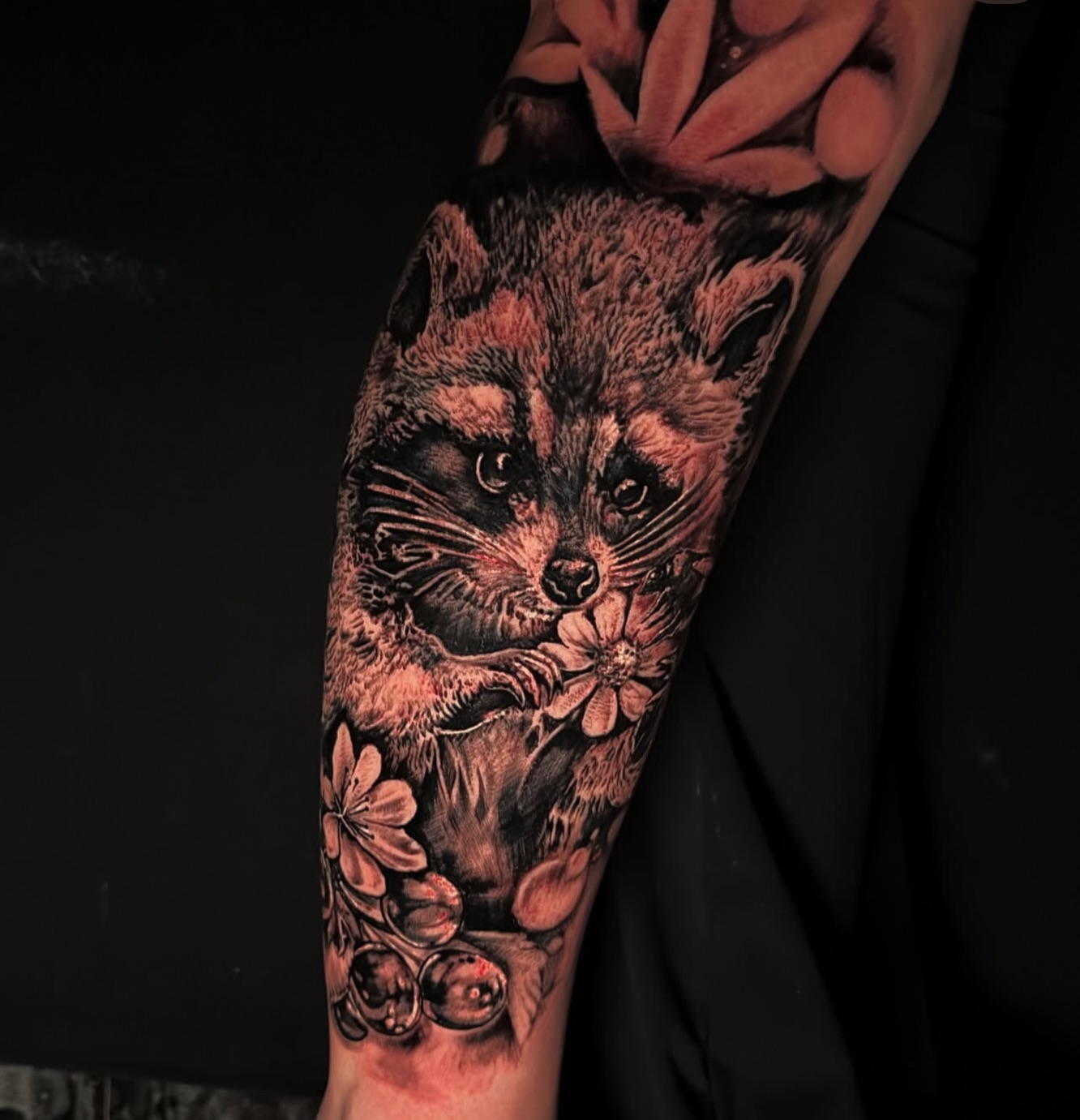
This intricate black and grey realism forearm tattoo captures a lifelike raccoon nestled among delicate flowers and berries. The craftsmanship features exceptional texture in the fur, expressive eyes, and smooth gradient shading.
 #2 Daily Showcase
📍 Southend-on-Sea, Essex
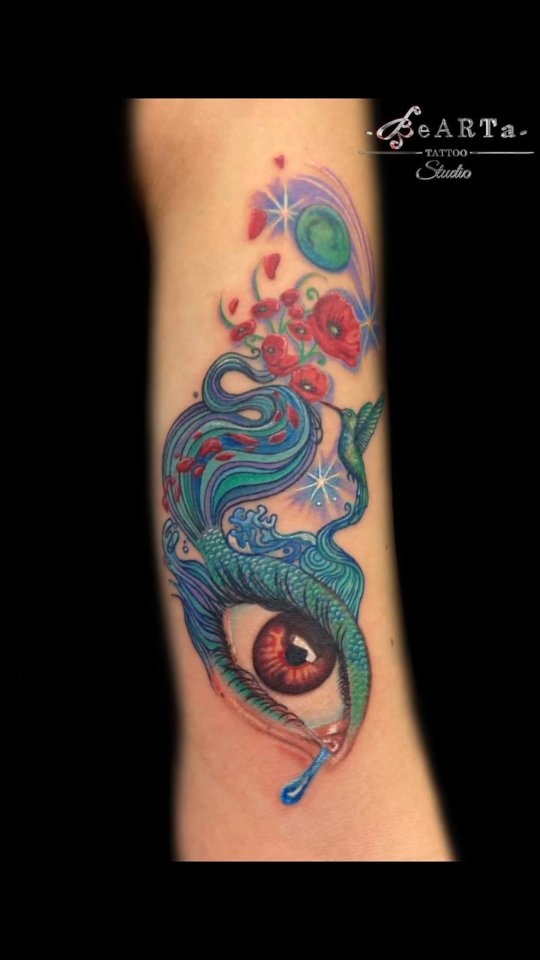
A striking surrealist colour tattoo displaying intricate linework and smooth blending, combining a realistic eye with flowing ocean waves, a hummingbird, and vivid poppies.
 #3 Daily Showcase
📍 Southend-on-Sea, Essex
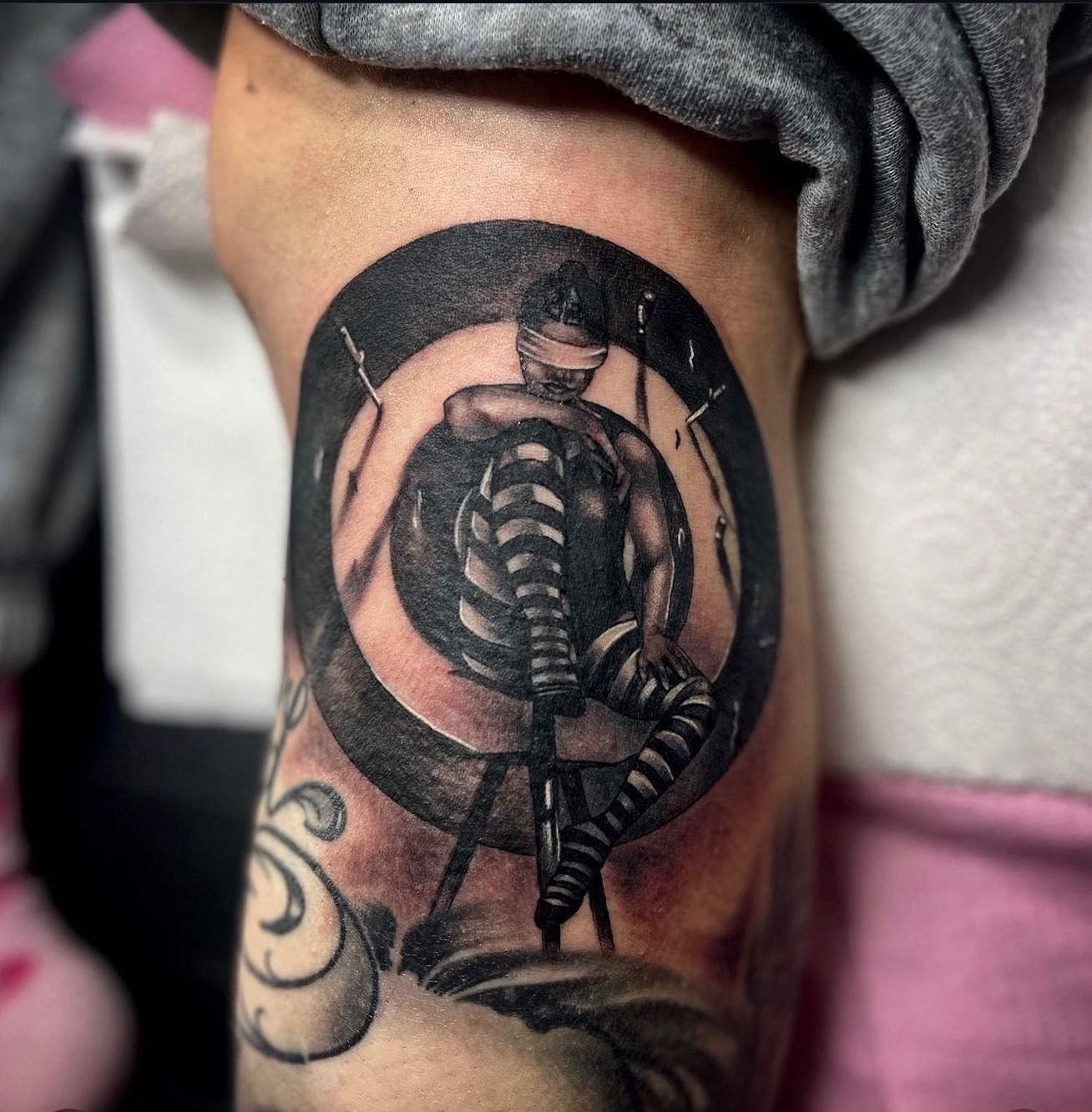
This black and grey illustrative tattoo features a blindfolded performer seated in front of a circular target surrounded by knives. The piece demonstrates precise contrast, smooth tonal shading, and detailed linework across the stockings and figure.
 #4 Daily Showcase
📍 Eastwood, Essex
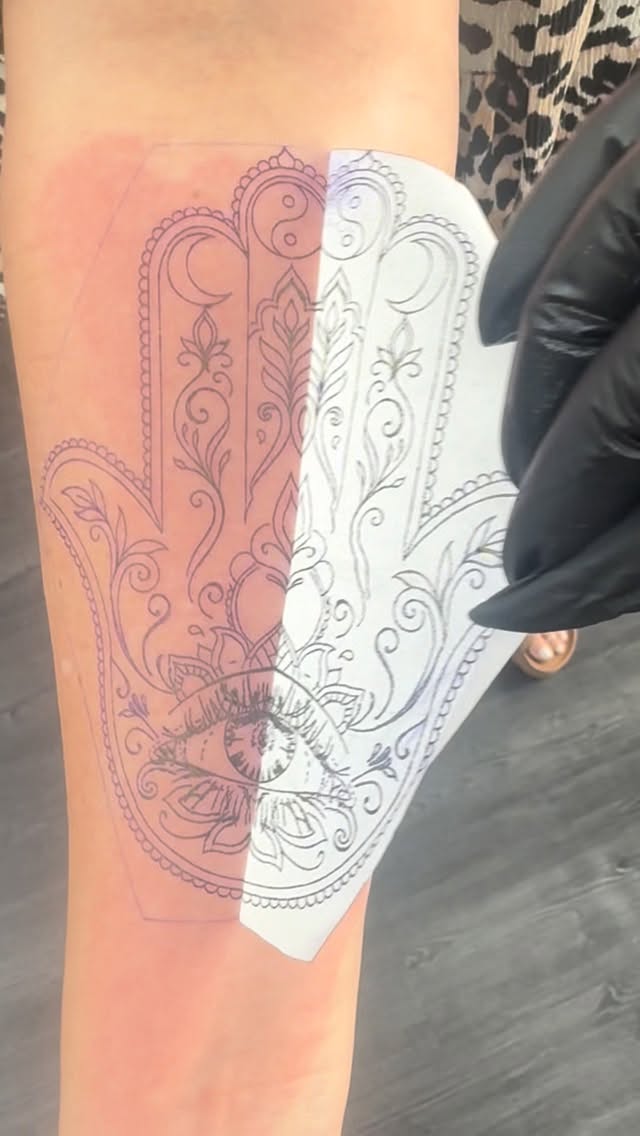
A detailed Hamsa hand stencil featuring an intricate eye and mandala patterns is carefully peeled back onto the forearm in preparation for tattooing. The clean transfer highlights precise linework and thoughtful placement.
 #5 Daily Showcase
📍 Southend-on-Sea, Essex
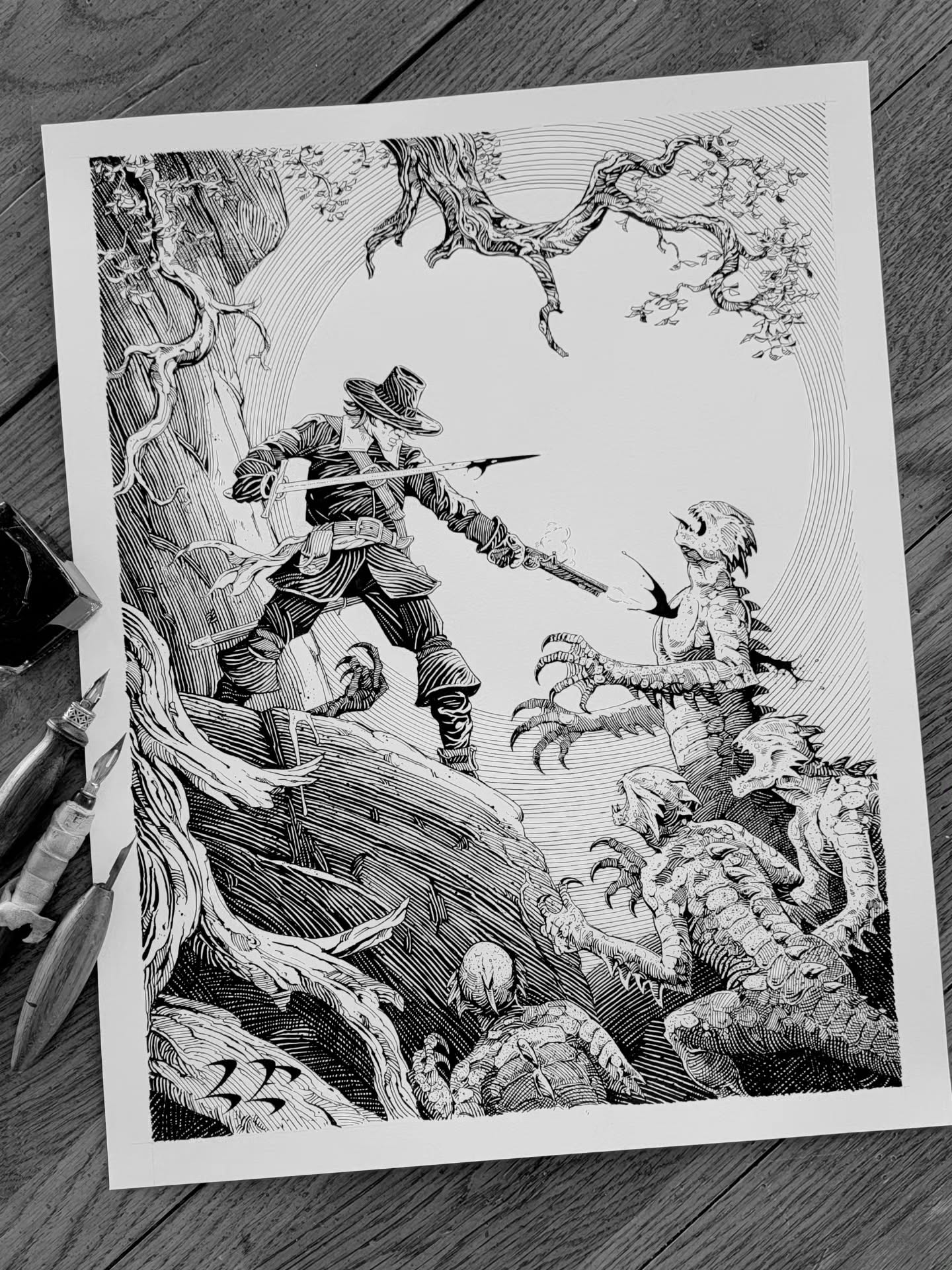
An intricate pen-and-ink fantasy illustration featuring classic woodcut-style hatching and fine linework, showcasing the artist's exceptional drafting skills for custom tattoo flash.
 #6 Daily Showcase
📍 Eastwood, Essex
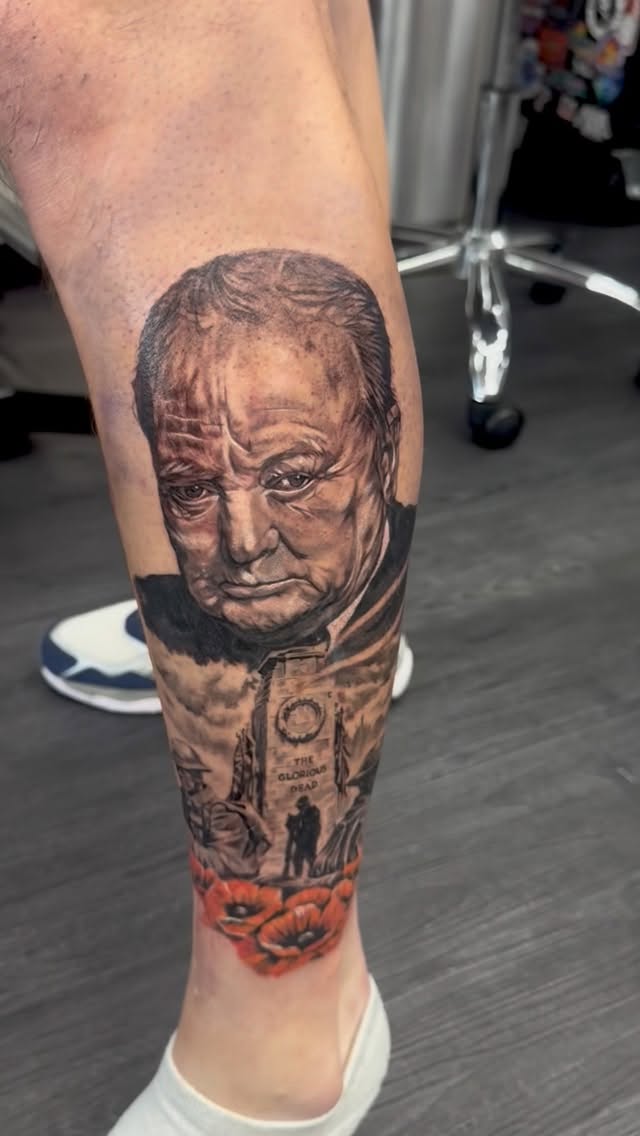
A striking photo-realistic portrait tattoo of Winston Churchill rendered in black and grey on a client's lower leg, incorporating the Cenotaph war memorial and vibrant red poppies. The intricate shading and fine detailing highlight exceptional realism and memorial artistry.
 #7 Daily Showcase
📍 Eastwood, Essex
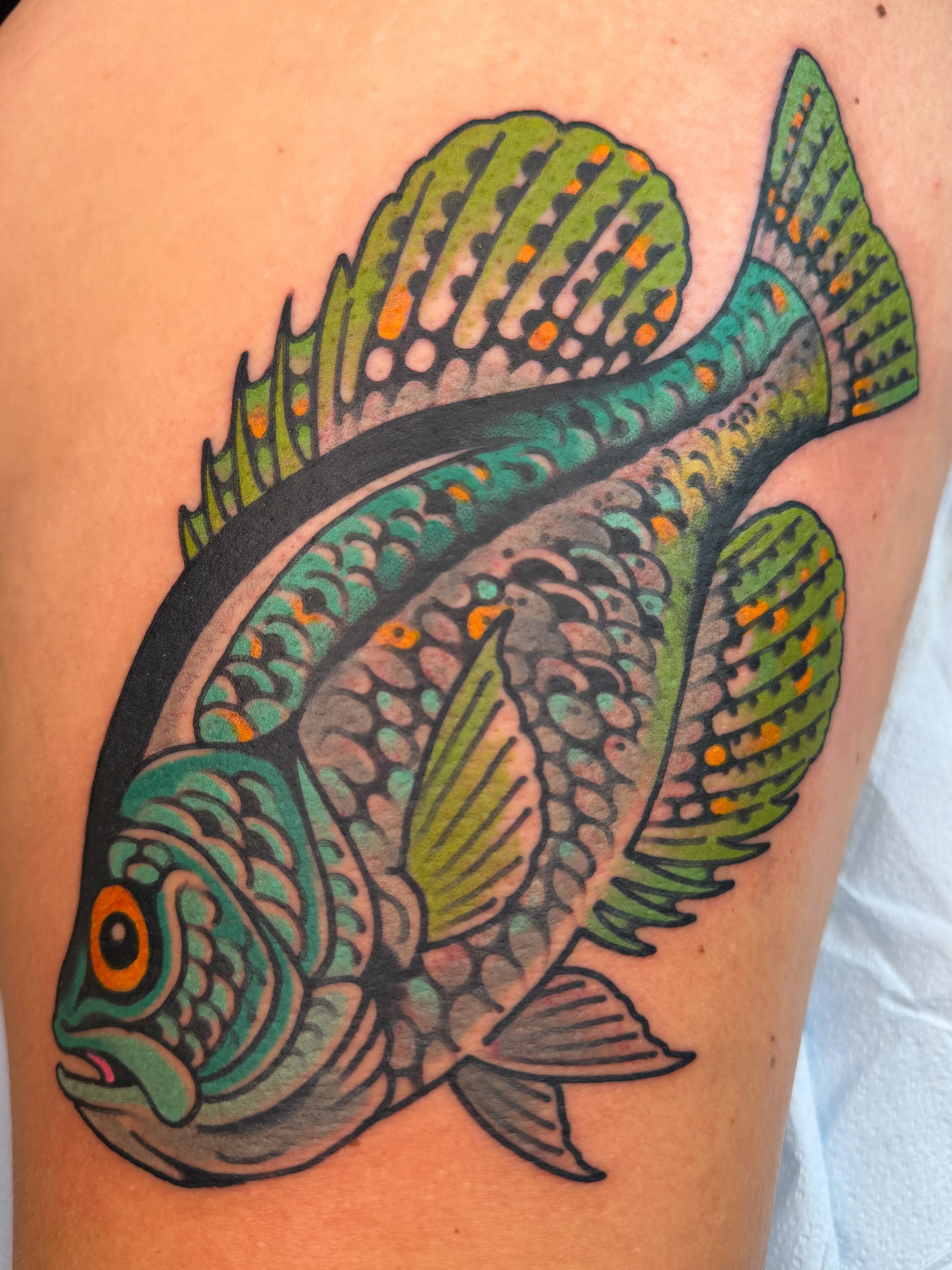
A striking neo-traditional fish tattoo featuring bold linework, detailed scale patterns, and saturated green and orange pigment. The piece demonstrates excellent saturation, smooth gradients, and precise anatomical texturing.
 #8 Daily Showcase
📍 Southend-on-Sea, Essex
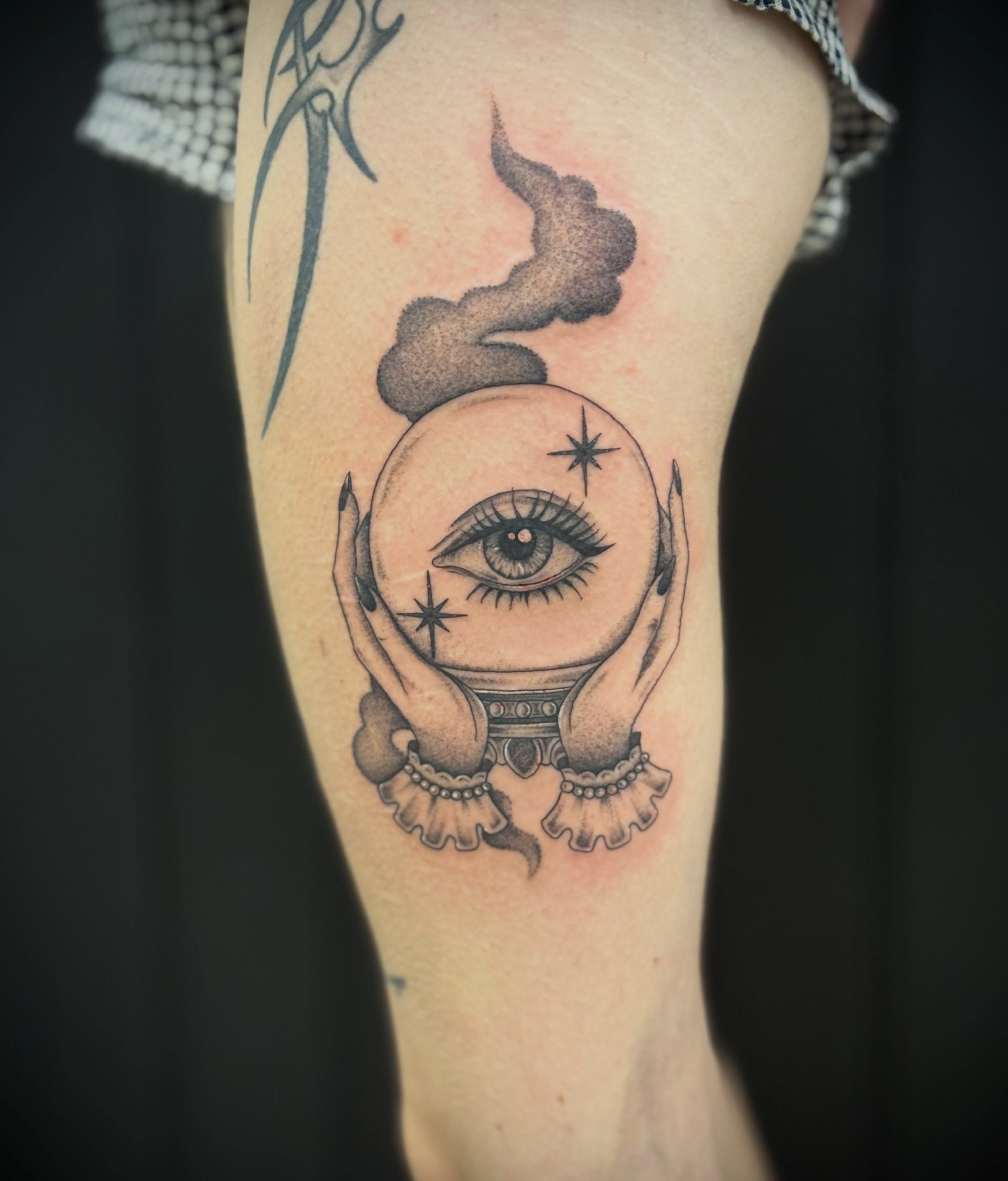
An illustrative fine-line and dotwork tattoo featuring a mystical crystal ball with an eye, held by ornate hands and framed by rising smoke. The design displays delicate stipple shading, crisp line details, and smooth greywash blending.
 #9 Daily Showcase
📍 Southend-on-Sea, Essex
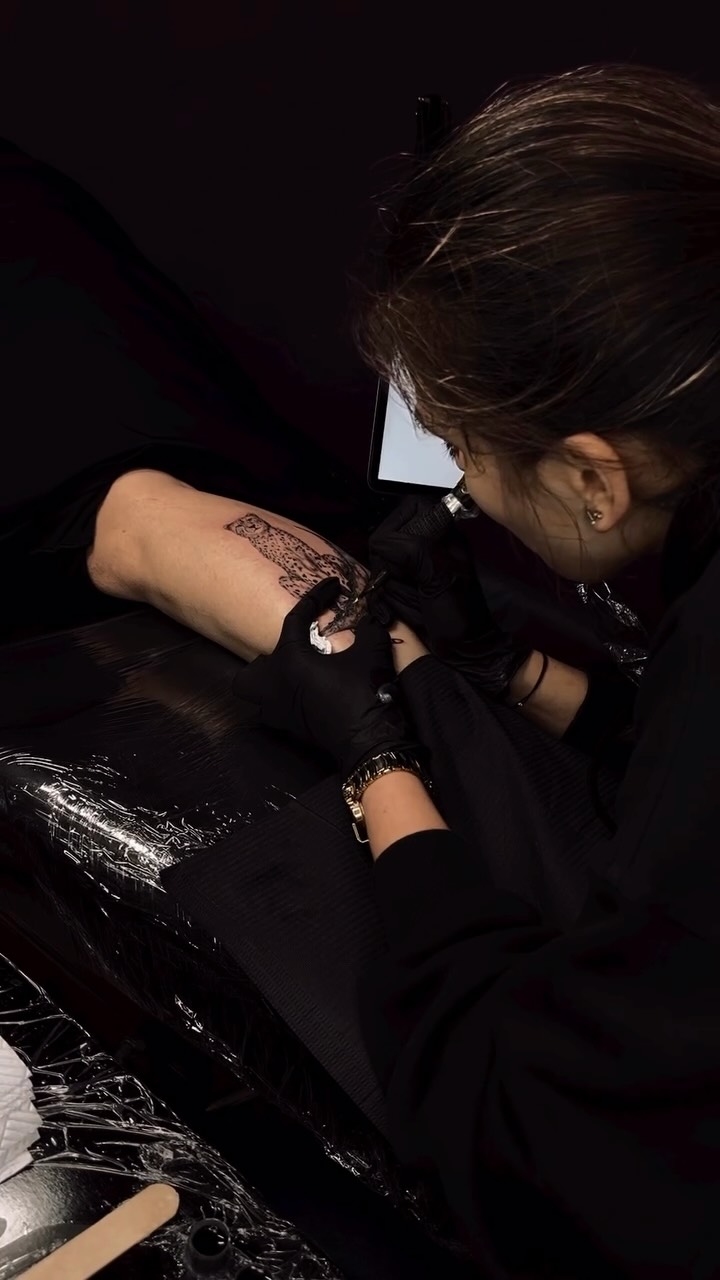
A tattoo artist at Studio Nine Body Art applies fine black-and-grey linework and detailed shading to a leopard design. The session highlights professional hygienic practices and meticulous attention to anatomical detail.
 #10 Daily Showcase
📍 Southend-on-Sea, Essex
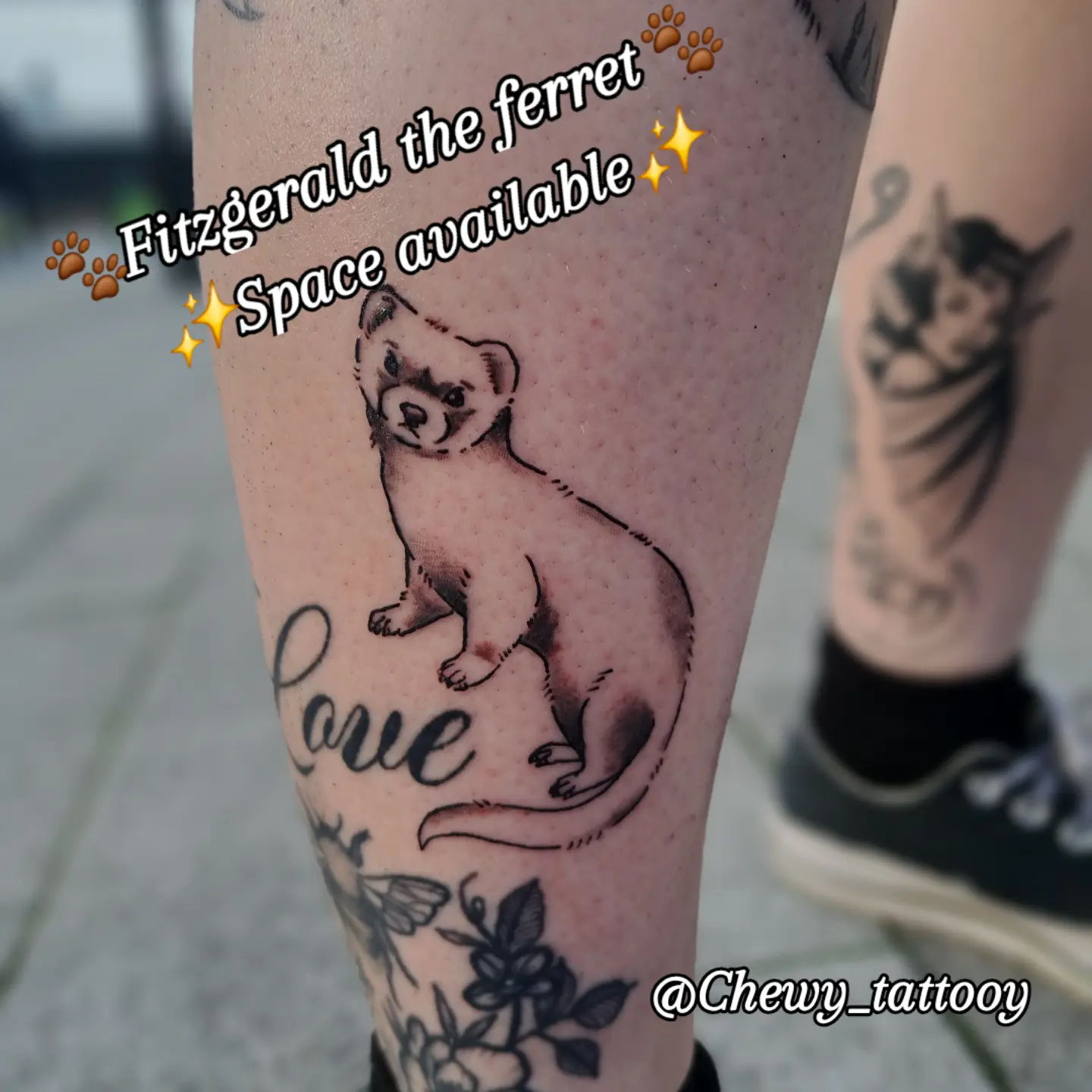
A delicate fine-line black and grey tattoo of a ferret featuring clean contouring and soft shading. The piece demonstrates precise needlework on the client's calf, sitting seamlessly alongside existing ink.
 #11 Daily Showcase
📍 Prittlewell, Essex
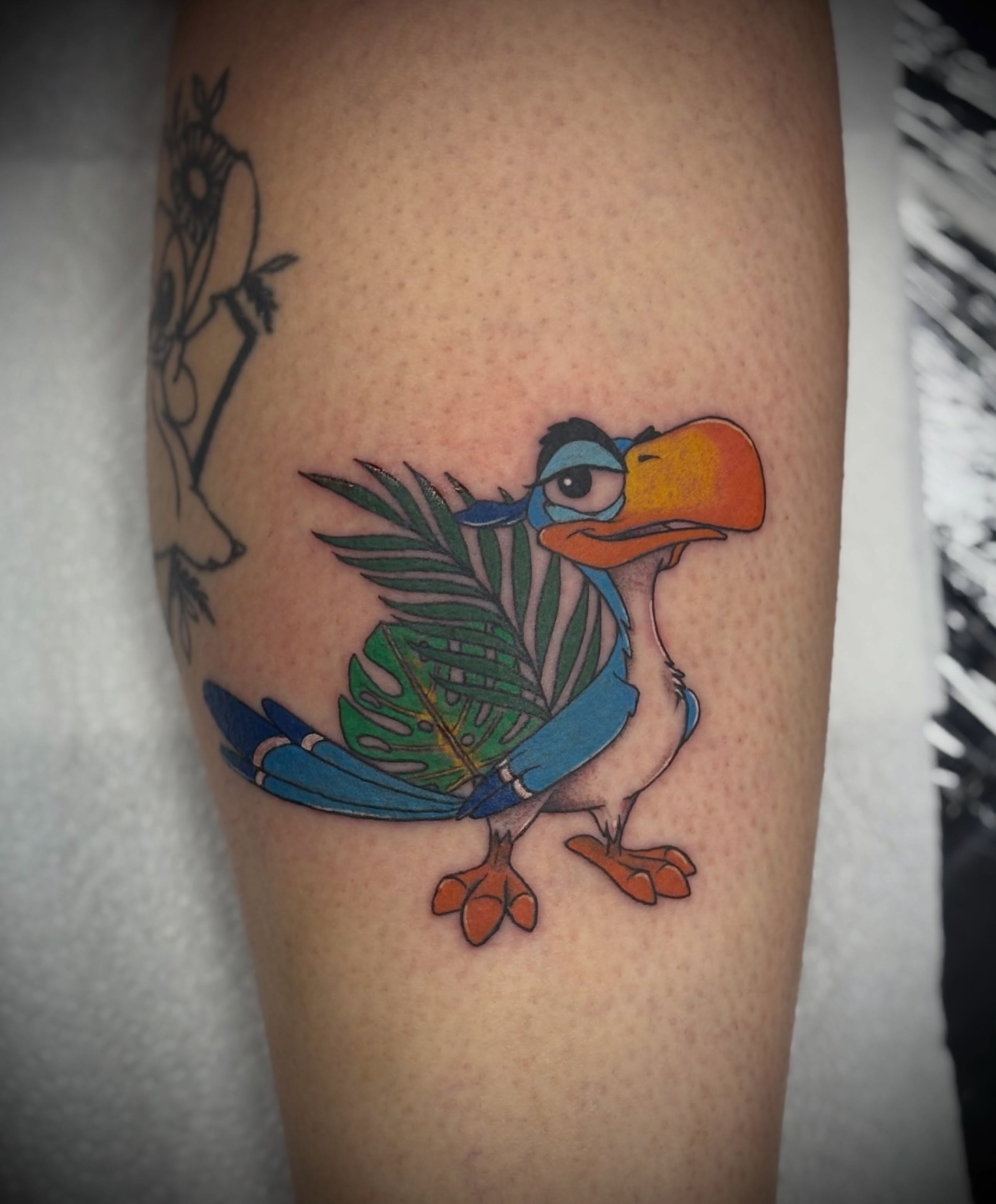
Vibrant colour tattoo featuring Zazu from Disney's The Lion King, uniquely styled with detailed tropical foliage on his wing. The design showcases crisp line work, smooth gradients, and saturated colouring.
 #12 Daily Showcase
📍 Shoeburyness, Essex
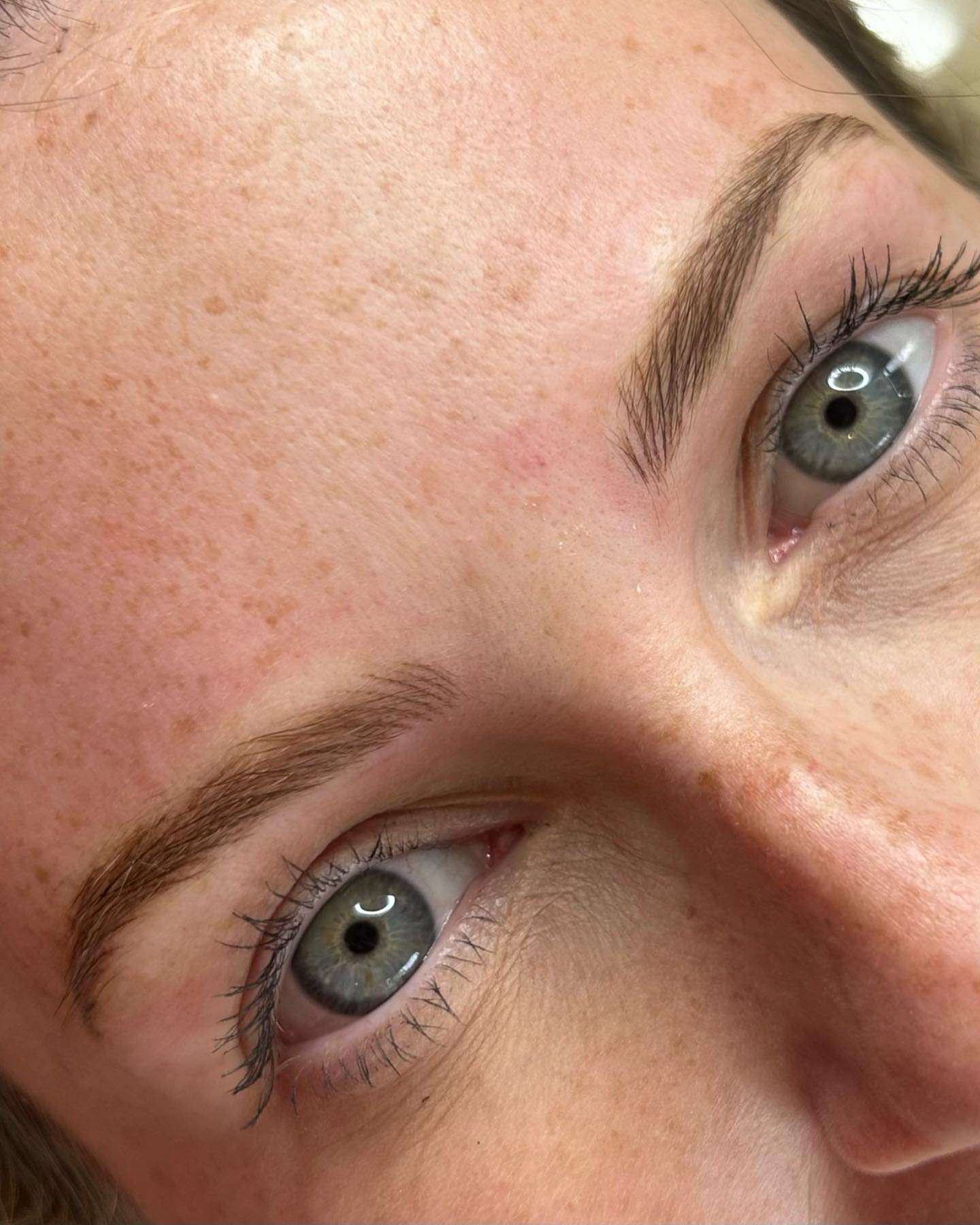
Detailed view of semi-permanent eyebrow tattooing showcasing fine, natural hair strokes carefully mapped to enhance the client's eye area. The crisp cosmetic tattoo work delivers balanced definition and shape with seamless realism.
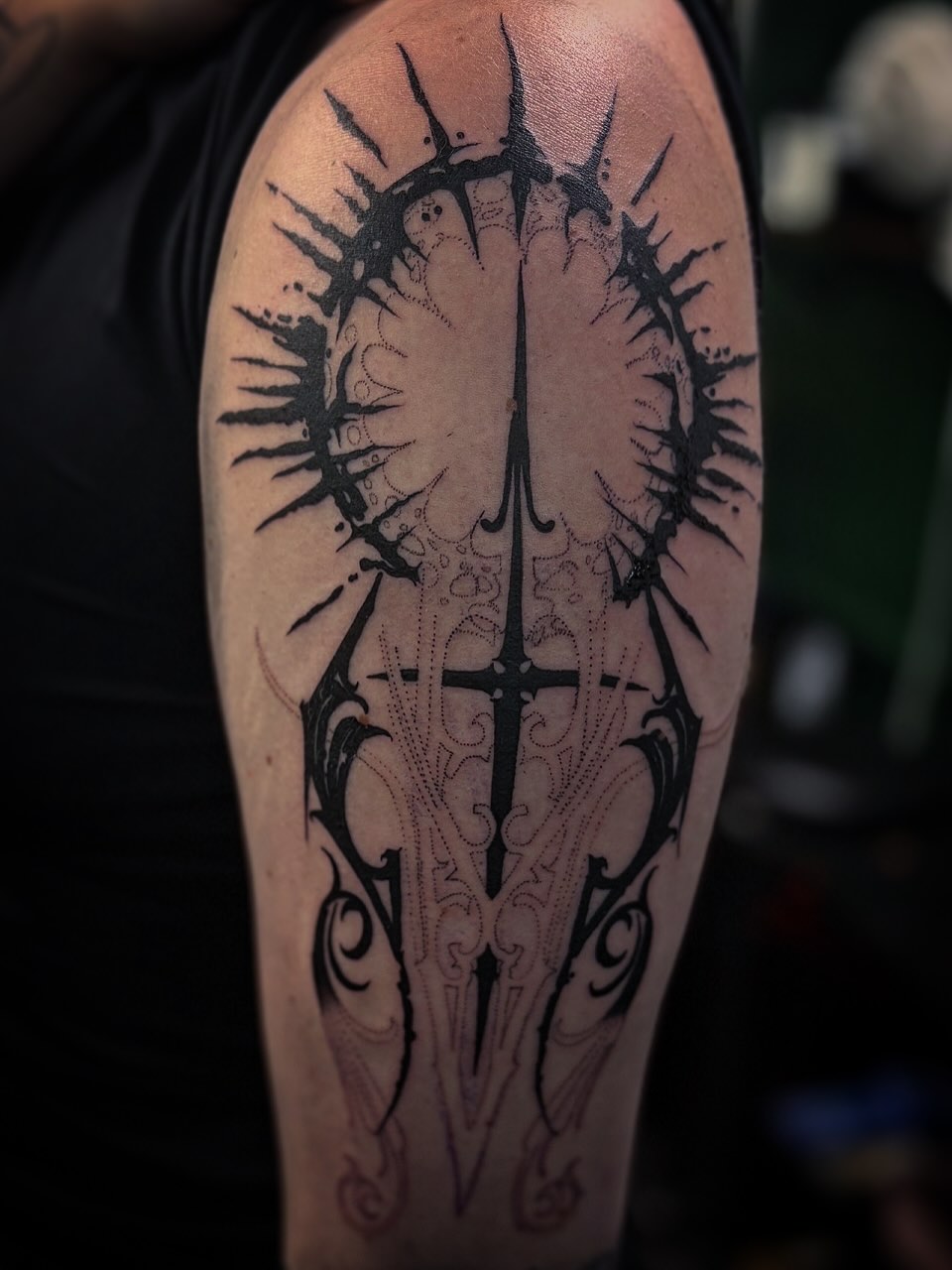 #13 Daily Showcase
📍 Southend-on-Sea, Essex
This upper arm piece showcases a striking gothic ornamental design combining deep blackwork with delicate fine-line details. The sharp symmetry and contrasting spiked elements reflect expert linework and modern dark-art tattooing techniques.
Rich History of British Tattooing
Great Britain holds a storied position in the global history of modern tattooing. While body modification existed among ancient Celtic tribes, the contemporary trade took root during the eighteenth and nineteenth centuries, driven by Royal Navy sailors returning from Pacific expeditions with bespoke ink. By the late Victorian era, body art had transcended maritime culture to captivate high society. In 1894, Sutherland Macdonald established Britain's first recognised professional tattoo studio on Jermyn Street in London, catering to aristocracy and pioneering electric tattooing techniques.
Throughout the twentieth century, coastal ports such as Bristol, Portsmouth, and Chatham fostered distinctive traditions of British traditional flash, characterised by bold outlines and saturated primary pigments. Today, this rich heritage provides the artistic bedrock for one of the most innovative and respected tattoo scenes in the world.
Modern UK Studio Standards & Licensing
The contemporary British studio scene operates under rigorous local authority regulation to ensure client safety and sterile practice. Studios and individual practitioners across England and Wales must register with their local council under the Local Government (Miscellaneous Provisions) Act 1982 or relevant regional legislation, while studios in Scotland and London adhere to dedicated licensing schemes.
Environmental Health officers conduct regular inspections to examine clinical hygiene measures. Professional UK studios employ medical-grade standards, including:
- Exclusive use of pre-sterilised, single-use needle cartridges and disposable grips
- Medical-grade surface barriers and hospital-standard disinfectants
- Strict adherence to EU and UK REACH chemical safety compliance for all tattoo inks
- Certified training in bloodborne pathogen prevention, cross-contamination control, and first aid
Popular Styles & Craftsmanship
British tattooing has shifted decisively from walk-in flash shops toward custom, appointment-only private studios. Contemporary practitioners in cities across the country specialise in an extraordinary variety of artistic disciplines, earning international acclaim for their technical precision and original draughtsmanship.
Blackwork and ornamental geometric tattooing thrive across Great Britain, drawing inspiration from historical engraving, sacred geometry, and botanical illustration. Neo-traditional ink remains a powerhouse genre, elevating vintage British naval motifs with dynamic line weights and sophisticated colour palettes. Simultaneously, collectors increasingly seek out hyper-detailed realism, delicate fine-line script, and illustrative anime-inspired pieces, turning British studios into true hubs of multidisciplinary fine art.
Collector's Guide & Client Advice
Navigating the UK tattoo landscape requires thorough preparation, whether you are seeking your first bespoke piece or expanding a full bodysuit collection. High-calibre custom artists often open their books only a few times each year, making research and patience vital components of the process.
- Review healed portfolios rather than solely fresh tattoos to assess how an artist's saturated pigment and fine linework settle into the skin over time.
- Book an initial consultation to discuss scale, anatomical placement, and composition, allowing the artist creative freedom to interpret your concept.
- Prepare physically for lengthy sittings by staying hydrated, eating a substantial meal, and avoiding alcohol or blood-thinning medications.
- Follow the studio's designated aftercare protocol meticulously, whether using breathable second-skin barrier films or traditional washing and moisturising routines.